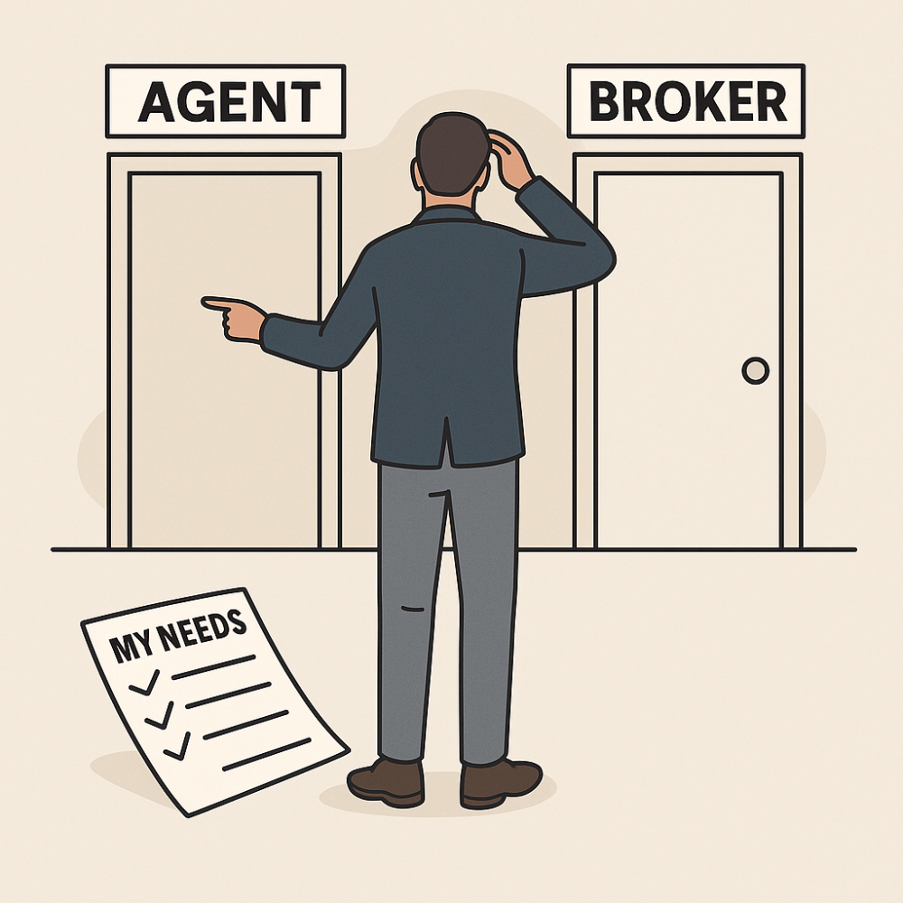
One of the most common questions we hear from buyers in Kenya is:
“What is the difference between an insurance agent and an insurance broker?”
It sounds like a technical question, but it isn’t. Who you choose will affect:
- The advice you get
- How your policy is placed
- The kind of help you receive when you have a claim
At Aytin Africa, we are an insurance agency. But we know very well: sometimes a broker is a better fit. Your job is not to be loyal to titles — it’s to choose the right partner for your needs.
7 Buyer Mistakes When Choosing Between an Agent and a Broker
1. Assuming All Agents Represent the Whole Market
Many buyers believe agents can advise them on every insurer in Kenya. In reality, agents are appointed by specific insurers. Some are appointed by several insurers, but not all.
The question to ask is simple:
“Which insurers have formally appointed you?”
That answer tells you how wide their view of the market really is.
2. Thinking Brokers Are Only for Big Corporates
It’s true that brokers handle large risks like corporate medical schemes, marine and aviation.
But they also serve:
- SMEs buying staff medical, WIBA, property or motor fleets
- Individuals buying medical, motor or travel insurance
Don’t write off brokers just because you’re “small.” The right broker can still structure and negotiate well for a growing SME.
3. Believing Intermediaries Pay Claims
Neither agents nor brokers pay claims. Only insurers pay.
But your intermediary matters because:
- They can push on your behalf
- They can help you prepare documents correctly
- They can escalate when things stall
The real difference is not “agent vs broker”. It’s “who will persist for you when it gets hard?”
4. Forgetting to Check IRA Licensing
The Insurance Regulatory Authority (IRA) publishes updated lists of licensed brokers and agents in Kenya. They also deregister intermediaries that fail to meet compliance standards.
Before you buy cover, always confirm:
- Is this agent or broker currently licensed?
- Is the firm name the same as what appears on the IRA list and on the receipt or debit note?
Licensing is your first layer of protection. If something goes wrong, you want to know you dealt with a regulated intermediary.
5. Expecting Independence Where It May Not Exist
On paper, brokers are independent. In practice, some develop strong preferences for certain insurers based on:
- Service experience
- Speed of claims handling
- Commercial arrangements
Likewise, some seasoned agents give advice that feels very balanced, even though they are tied to certain insurers.
The key question is:
“Why are you recommending this insurer and not another?”
A good intermediary will explain their reasoning, not just quote a price.
6. Assuming All Intermediaries Give the Same Level of Support
Both agents and brokers are meant to support you beyond the sale:
- Helping with claims
- Adjusting benefits or sums insured
In real life, service levels vary a lot. Some stay engaged the whole year. Others mostly reappear at renewal.
Instead of asking, “Will you support us?”, ask for specifics:
- “How do you handle claims follow up day to day?”
- “How often will you check in with us during the year?”
- “Can you share a real example of how you’ve supported a client outside renewal?”
Their answers will show you whether they have a real process or just a promise.
7. Choosing Without Considering Your Own Needs
There is no universal “best” between an agent and a broker. There is only “best for your situation right now.”
Agents can be a better fit if you want:
- Personal service and direct contact
- Deep knowledge of specific products and insurers
- A close relationship with one or a few insurers
Brokers can be a better fit if you want:
- Structured comparisons across several insurers
- Wider market access for complex or large risks
- More leverage in negotiations for bigger schemes
So, How Should You Decide?
Don’t treat “agent vs broker” as jargon. Treat it as a design choice in how you want to buy cover and be supported.
Your job as a buyer is simple:
- Ask the right questions — about market access, service, and claims support
- Confirm IRA licensing before you pay a shilling
- Choose the intermediary who fits your needs today and can support your growth tomorrow
That’s how you avoid the common pitfalls — and make insurance work for you, not against you.
If you’d like help deciding whether an agent or a broker is the right route for your business, we can walk you through the pros and cons in plain language and help you structure a path that fits your stage and budget.